Tail Attitude: A Sassy, Stitch-Ready Cat Design
First Impressions: That Tail Says Everything
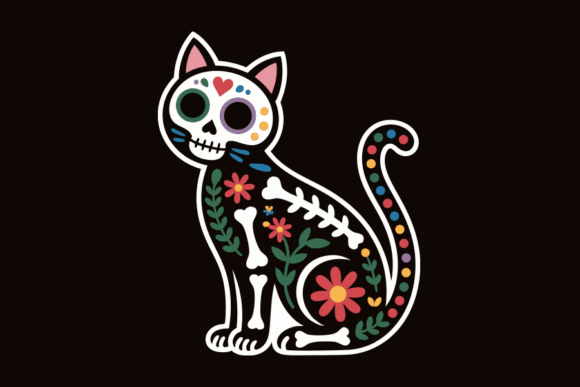
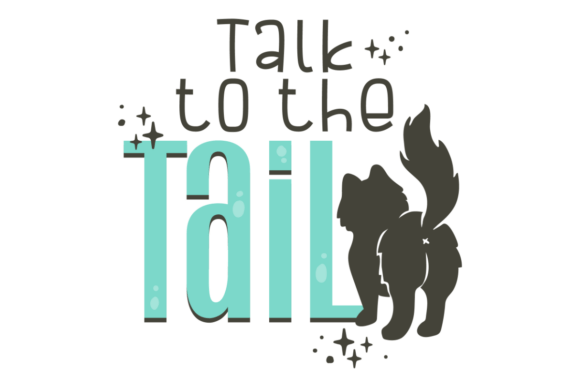
When I opened Tail Attitude, I didn’t just see a cat—I felt the attitude. The pose is instantly readable: head slightly turned, tail arched and decisive, eyes sharp with quiet confidence. It’s not cartoonish or cutesy; it’s feline body language distilled into clean, confident lines. As a designer who’s stitched hundreds of animal motifs, I appreciate how much personality fits into such a compact silhouette. The design leans into negative space, avoids over-detailing the face or fur, and trusts the stitcher to let the tail do the talking. That makes it unusually versatile—not just for pet lovers, but for makers who want wit, not whimsy.
Real Project Test: Embroidering a Linen Tote Bag for a Local Boutique
Last week, I used Tail Attitude on a natural linen tote for a small shop launching a “Cat & Coffee” gift line. I chose a medium-weight cutaway stabilizer and 40-weight polyester thread in charcoal gray on off-white fabric. The result? Crisp, confident, and undeniably handmade—no pixelation, no fuzzy edges. Because the design relies on strong outlines and minimal interior detail, it held up beautifully on the slightly nubby texture of linen. Customers responded immediately: “That’s *my* cat,” one said. “It’s sassy but not sarcastic.” That kind of emotional resonance is rare—and valuable—for a machine embroidery design meant for commercial use.
Where Tail Attitude Shines (and Where It Needs Thought)
This isn’t a one-size-fits-all motif—but that’s its strength. It works exceptionally well on:
- Tote bags and tea towels: The bold shape reads clearly at 3–4 inches wide, even from across a market stall.
- Sweatshirts and crewneck tees: Its balanced proportions avoid awkward stretching on knit fabrics when digitized properly.
- Embroidered patches: Clean outer edge + minimal interior fill = low stitch density, easy peel-and-stick backing, great durability.
- Baby items and nursery decor: Subtle enough for gender-neutral gifting, but expressive enough to feel personal—not generic.
- Holiday or wedding gifts for cat lovers: Paired with a simple monogram or date, it adds warmth without clutter.
But be thoughtful about context. On thin fabric like lightweight cotton poplin, test stabilizer first—the tail’s curve could pucker if tension isn’t dialed in. On stretchy fabric, use a light tear-away + topping to prevent skipped stitches in the curved tail tip. And while it scales down nicely to ~2.5 inches, avoid going smaller than 2 inches unless you’re using a high-res digital embroidery file—tiny eyes or whiskers aren’t part of this design, but overly compressed curves can lose definition.
Design Integrity Meets Commercial Practicality
What sets Tail Attitude apart from dozens of other cat graphics is how it balances visual impact with embroidery realism. There are no dense satin-stitch eyes begging to snag, no fine running-stitch details that vanish after three washes, no overlapping layers that demand multi-hooping. It’s built for the finished product, not just the screen preview. When stitched on a canvas apron for a local bakery, it looked professional—not crafty-cute, not mass-produced. That nuance builds customer trust, especially for Etsy sellers and small shop products where handmade presentation directly affects perceived value.
I also tested it across backgrounds: black thread on cream fabric, white thread on navy denim, and even metallic gold on charcoal twill. In every case, the shape remained legible and the attitude intact. That adaptability matters—if you’re building a cohesive craft business brand or curating a line of pet-themed design assets, Tail Attitude holds its own alongside typography or florals without competing.
Designer Notes You’ll Actually Use
Before stitching your first custom apparel piece or listing a personalized gift on Etsy, here’s what I recommend:
- Test on scrap fabric—especially if using textured, dark, or stretchy materials. Note how the tail’s curve behaves under hoop tension.
- Check thread color contrast early. This design lives or dies by readability—avoid low-contrast combos like light gray on heather gray.
- Review stitch density. If your version includes fill areas (not just outlines), confirm they’re optimized—not too dense for breathable fabrics, not too sparse for visibility.
- Confirm hoop size. Most versions will fit comfortably in a 4×4 hoop, but verify before hooping a cap or curved surface.
- Inspect small details manually—even though Tail Attitude avoids micro-details, check corner joins and tail tip termination for smooth transitions.
- Test in black-and-white mockups. Does it retain character without color? (It does—another sign of smart graphic construction.)
- Use proper stabilizer. Cutaway for knits and wovens, tear-away for stable linens, and always a light topping for nubby surfaces.
- Verify licensing. Since this is a Graphics-category Crafts asset, confirm whether commercial resale of finished embroidered items is permitted—don’t assume.
Final Thought: Not Just Another Cat Graphic
Tail Attitude earns its place in my go-to folder because it solves real problems: it communicates fast, stitches reliably, sells emotionally, and scales across product types without reworking. It’s not flashy—but then, neither is a perfectly arched tail mid-turn. For embroidery designers, apparel decorators, and creative entrepreneurs, that kind of quiet confidence is exactly what makes a design worth keeping, stitching, and selling again and again.